
Have you ever thought you needed one thing, then had a conversation and realized you actually need another?
It happens more than you realize.
For example, you book a Curiosity Call thinking you know exactly what you need: brand imagery. Updated photos for LinkedIn. A professional refresh.
But then we start talking, and what comes out isn’t, “I need to look like an authority in my field.”
It’s, “I need my family to see who I am before this chapter of my life passes.”
These are not the same end goal. And they require different outcomes.
The confusion is understandable.
Both a Brand Authority Experience and a Portrait Experience involve creative direction, wardrobe planning, lighting decisions, and a guided session.
From the outside, the process looks similar. But the purpose behind the work shapes everything, from the first question in the Design Consultation to the final file in your Dropbox folder.
Here’s exactly how they differ, and how to know which one is right for you right now.
The One Question That Separates Them
The most important question in any Design Consultation isn’t about platforms or formats or wardrobe.
It’s this: who is this imagery actually for?
For brand work, the answer is your clients, your audience, the stages you’re stepping onto. The imagery has a job to do in the world: it needs to speak to specific people, work across specific platforms, and position you for where you’re headed, not where you’ve been.
For personal portrait work, the answer is your family, your future self, the people who are going to carry your story forward. The imagery doesn’t have a professional audience because some stories need to be told, not sold. And it doesn’t need a platform, because it’s not content. It’s a record of who you are.
Both are valid.
Both are worth doing.
They just require a fundamentally different approach from the first conversation through the last deliverable.
What Each Experience Is Actually Doing
A Brand Authority Experience exists to close the gap between the authority you’ve built and how the world actually sees you. It’s strategic, editorial, and built for use across a variety of platforms. It positions you for where you’re going, not where you are. It has an audience.
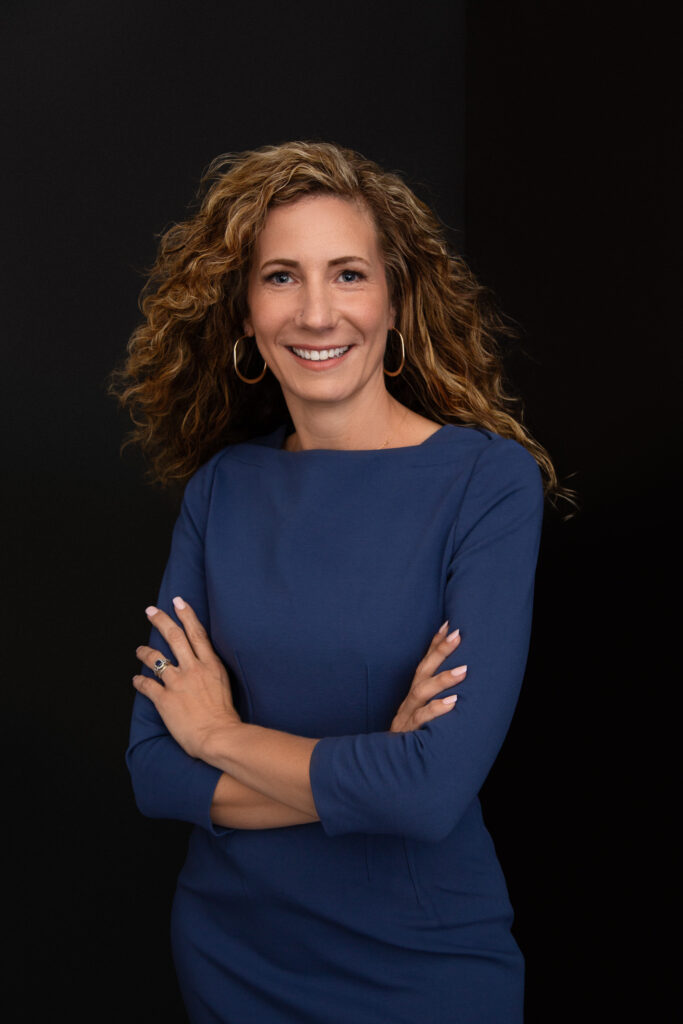
A Portrait Experience is about witnessing. Not performing. Not positioning. It’s about documenting who you are before the chapter gets written by someone else, or before the details fade, which they will, no matter how certain you are right now that you’ll remember them.
One creates content. The other creates legacy.
Who Personal Portrait Work Is Actually For
Personal portrait work is not just for mothers, and it’s not for any single demographic. It’s for anyone in a chapter of life that deserves to be preserved before it passes.
- The person with a milestone birthday who wants to mark the decade in a way that actually means something.
- The woman who just left a 20-year career to build something of her own.
- The couple celebrating themselves before one of them leaves for military service.
- The person who has always been the one behind the camera and finally wants to be seen the way the people who love them have always seen them.
The through-line is not age or life stage.
It’s the feeling that something is happening, or ending, or true about who you are right now that you don’t want to lose.
How the Work Actually Differs
The Design Consultation questions shift.
With Brand Authority clients, the conversation centers on the authority they’re claiming, the platforms the imagery needs to function across, and where they’re headed, because the imagery needs to reflect that future, not just the present.
With Portrait clients, the conversation goes somewhere different: What do you want people to know about who you are in this moment? What chapter are we preserving? How do you want to be remembered?
Posing strategy shifts.
Brand work uses guided direction toward authority, approachability, and confidence.
Personal portrait work is about authentic presence, getting someone to stop performing for the camera. The questions are different: How would you normally sit? How do you actually feel right now? The shift in imagery happens when someone stops performing. That’s when the real work begins.
The emotional tone question shifts.
For brand clients, the question is how this imagery will position their authority as their platform grows.
For personal clients, it’s how their future self will experience these images, and how the people who love them will see them in a photograph taken decades from now.
The visual range shifts, and this one matters more than people expect.
Brand imagery is anchored to deployment. It needs to function across platforms, speak to specific audiences, and hold together as a cohesive visual system. That purpose creates parameters.
Personal portrait work doesn’t live inside those parameters, and that’s entirely intentional. The question isn’t what does this need to do in the world. It’s what does this need to mean to you.
Which means the visual language can go places brand work simply cannot: period pieces, fine art portraiture referencing a specific aesthetic, high-drama lighting that exists purely for the beauty of it. Imagery that has nothing to do with professional identity.
That range isn’t a departure from the methodology. It’s the methodology working exactly as it should, because the purpose is different.
Who’s in the room can shift.
Brand sessions are almost always focused on who is in the brand, typically one individual for a personal brand, or the relevant team for a company.
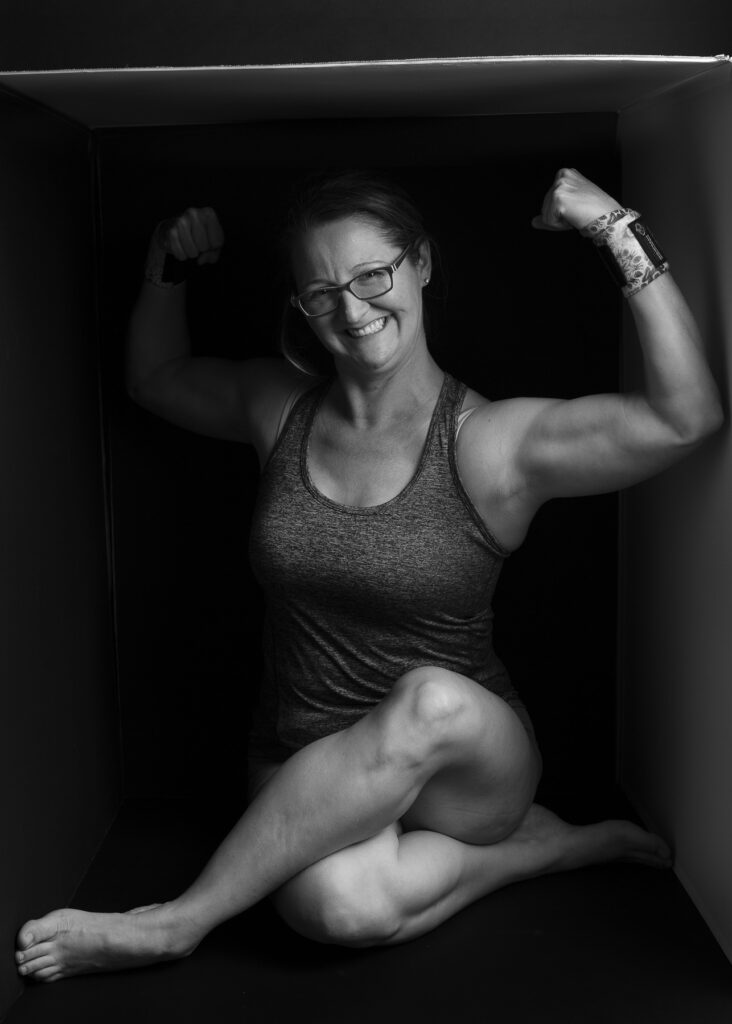
Personal portrait sessions can include the people who are part of the chapter you’re preserving. A partner, a child, a parent, a best friend. If the story involves other people, they can be part of it.
The retouching approach reflects the purpose.
Brand Authority clients receive commercial-grade retouching: natural and intentional, preserving expression and presence without changing who they actually are.
For personal portrait work, it depends on the experience. The standard portrait experience receives the same commercial-grade retouching. Raw or documentary-style sessions, where honest, unguarded imagery is the entire point, receive minimal retouching only: background cleanup and tonal adjustments, nothing more. The rawness is intentional, and the retouching honors that.
The goal in both cases is the same: to show you as you actually are. The difference is how much polish serves that goal.
The deliverables reflect the purpose.
Brand Authority clients receive a deployment-ready visual system: high-resolution files, web-optimized files, square crops, and alpha channel PNGs, all ready to work across platforms without any additional production steps. A customized marketing guide is included to support strategic platform usage.
Portrait clients receive files sized and oriented toward preservation and print, with digital images matched to purchased print sizes. They’re built for archival and heirloom use, not for being distributed across the internet.
If you add on the Interview Experience, which is available for both session types, complimentary audio files are always included because your words belong to you. You also have the option to add a signature documentary film.
When you come in for brand work, you leave with a visual ecosystem built to be deployed.
When you come in for personal portrait work, you leave with imagery built to be treasured and handed down.
The investment is the same. What differs is the experience and what you walk away with.
What the Session Actually Feels Like
Both sessions are guided. You are never left wondering what to do or how to stand.
But the energy in the room is different.
Brand Authority sessions carry productive tension. There’s a goal, a target, something to build toward. The work is focused and directional.
Personal portrait sessions are slower. More emotionally open. There’s space for things to surface that you didn’t expect. They can be unexpectedly moving, not because anything dramatic is happening, but because being truly witnessed without performance or agenda is rarer than most people realize.
That experiential difference matters when you’re deciding which one you’re actually ready for right now.
How to Know Which One You Need
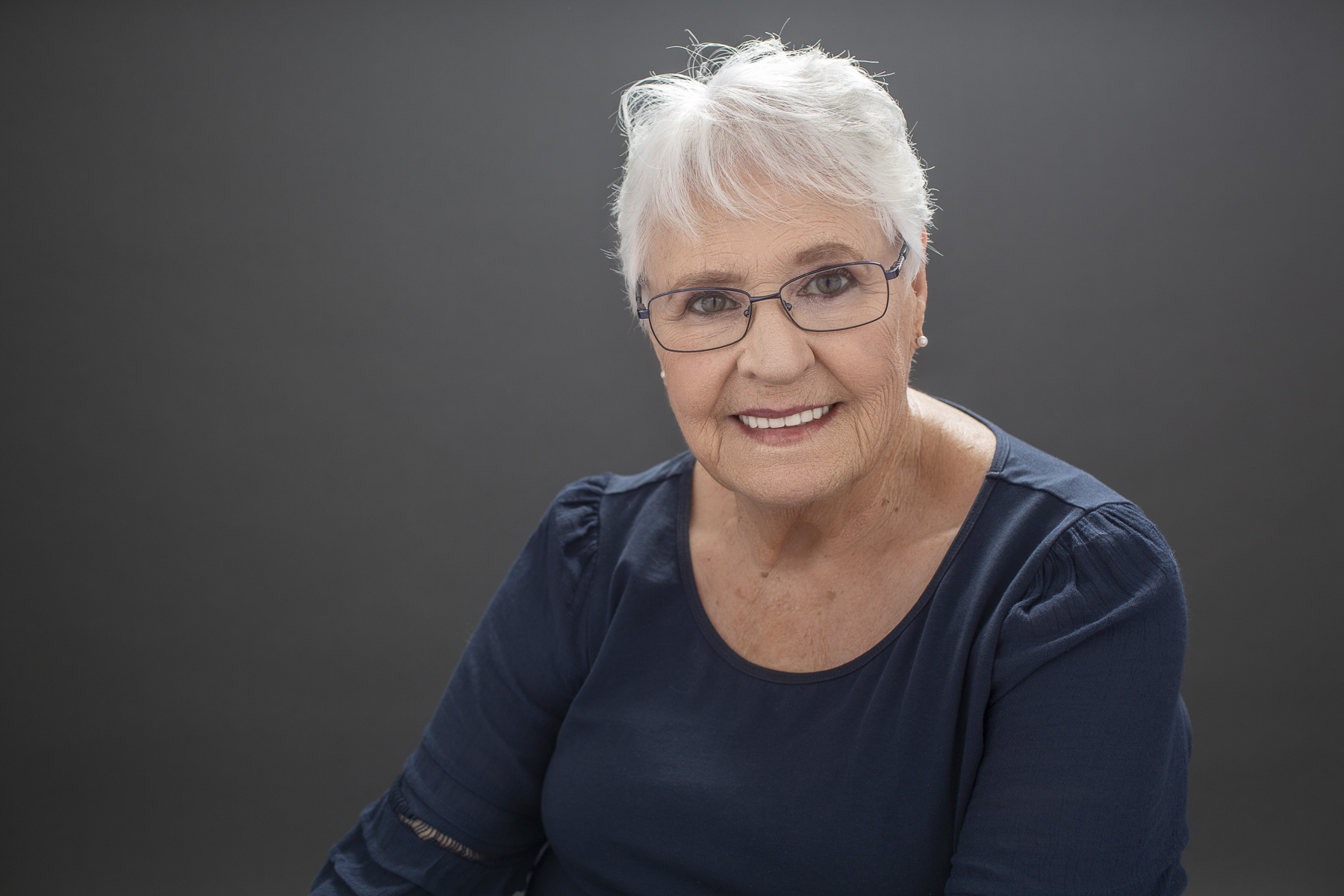
Brand work might be right for you if your imagery is from a chapter you’ve already left behind, if you’re stepping onto bigger stages or speaking to new audiences, or if you feel a gap between the authority you’ve built and how you’re currently showing up visually.
Personal portrait work might be right for you if you’re in a chapter that deserves to be documented before the details fade, if you want your family to understand who you were and not just what you did, or if something in you knows this moment needs to be witnessed before it passes.
Sometimes both are right, just not at the same time, and not in the same session.
When the Lines Blur
The distinction between brand and personal is a starting point, not a rule. Most people land primarily in one camp, but sessions don’t have to be either/or.
If you’re coming in for brand work but want one signature piece that exists purely for you, we build it in.
If you’re documenting yourself for the people you love but also need something that speaks to your career, we can hold both.
The Design Consultation is where that conversation happens: what’s the primary purpose, and is there a secondary layer worth creating space for?
The framework exists to give the work clarity and intention, not to limit what’s possible.
Not Sure Which One Is Right for You?
That’s exactly what the Curiosity Call is for. You don’t need to have it figured out before you book. This is the conversation where we figure it out together.
Book your call today by filling out the form below.